 Omnilib
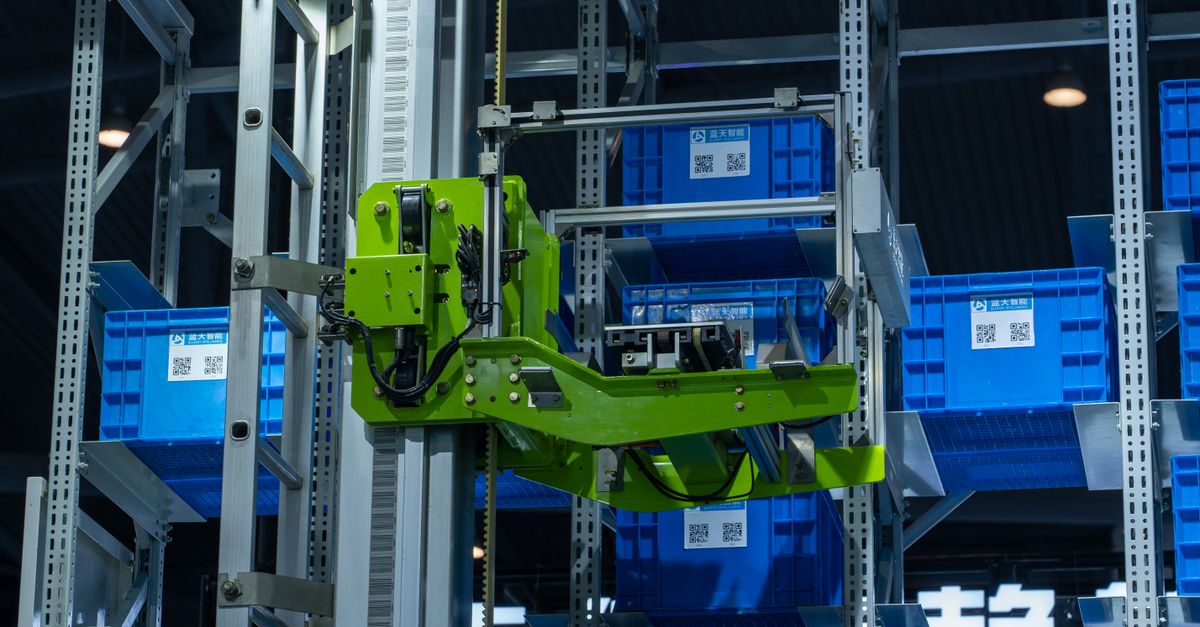
AI Revolutionizing the Supply Chain Industry
The supply chain industry is undergoing a profound transformation, driven by advances in artificial intelligence (AI). From optimizing inventory to predicting demand patterns, AI technologies are reshaping logistics and operations for businesses globally. As companies strive for agility and resilience, leveraging AI tools in supply chain management delivers measurable benefits.
Key Areas Where AI Enhances Supply Chains
- Demand Forecasting: AI algorithms analyze historical data and trends to produce highly accurate demand predictions, reducing overstock and stockouts.
- Inventory Optimization: Machine learning models optimize stock levels, minimizing costs while ensuring timely availability.
- Real-time Tracking: AI-enabled IoT devices track shipments and inventory status, improving transparency and reducing delays.
- Risk Management: Predictive analytics identify potential disruptions, allowing proactive mitigation strategies.
- Route Optimization: AI calculates efficient delivery routes, lowering fuel consumption and transit times.
Practical Examples and Tools
Platforms like Omnilib.app showcase a range of AI tools focused on supply chains—such as demand forecasting engines, automated warehouse robotics, and dynamic routing software. These solutions are increasingly accessible for small and midsize businesses aiming to compete on efficiency.
"AI elevates supply chain management from reactive processes to predictive, intelligent systems that drive profitability and customer satisfaction."
Challenges and Considerations
Despite strong benefits, integrating AI into supply chains requires careful planning. Data quality, change management, and upskilling staff remain critical success factors. However, as AI continues to mature, its role as a strategic enabler will only deepen.
In summary, AI’s influence on the supply chain industry is profound, offering enhanced forecasting, operational agility, and resilience in an increasingly complex global market.