 Omnilib
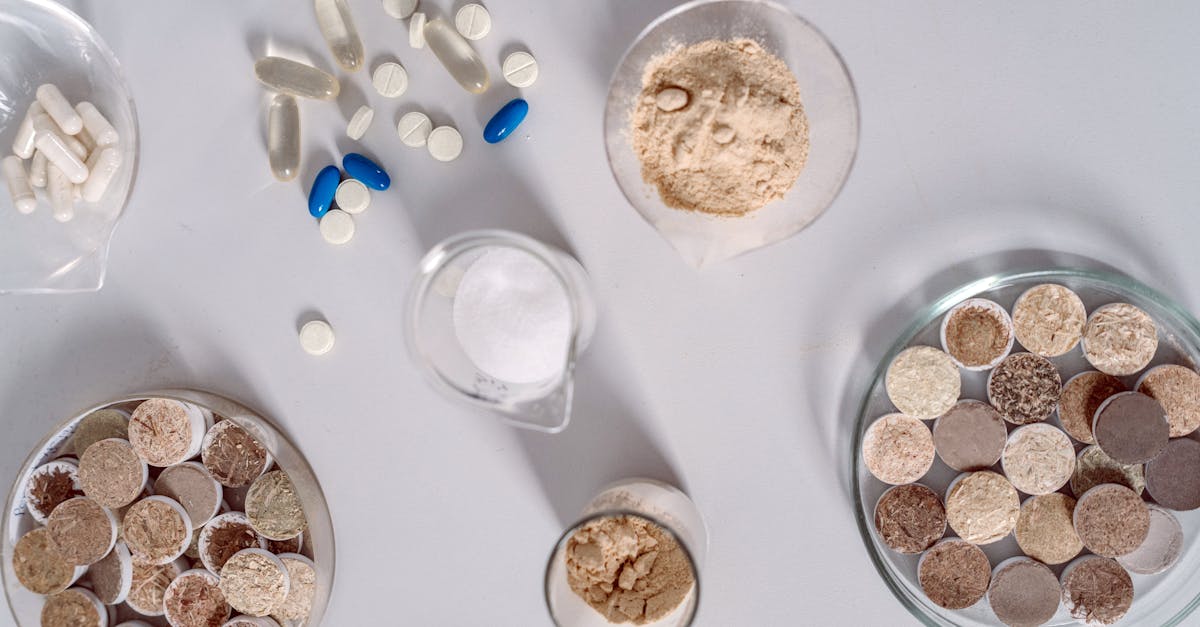
AI in Drug Discovery: Best Practices Shaping 2026
Artificial intelligence (AI) continues to revolutionize drug discovery by enabling researchers to analyze massive datasets, predict molecular interactions, and optimize clinical trials with unprecedented speed and precision. In 2026, pharmaceutical companies and research institutions have adopted several proven AI best practices that streamline the discovery process and improve success rates.
Harnessing Machine Learning for Molecular Prediction
One of the most impactful AI applications in drug discovery is machine learning (ML)-based molecular prediction. By training algorithms on extensive chemical and biological data, researchers can identify promising drug candidates faster than traditional methods. Techniques like deep learning models analyze complex patterns in molecular structures, predicting efficacy and toxicity with remarkable accuracy.
Integrating AI Throughout the R&D Pipeline
Leading organizations are no longer relying on AI for isolated tasks. Instead, they embed AI tools throughout the entire drug development pipeline—from target identification and hit discovery to lead optimization and clinical trial design. This integrated approach reduces development timelines and lowers costs.
Leveraging Real-World Data and AI Analytics
Combining AI with real-world patient data allows for tailored drug development strategies. By analyzing electronic health records, genomic datasets, and adverse event reports, AI models help predict patient responses and personalize therapies.
Collaboration and Data Sharing
Collaboration between biotech startups, pharmaceutical giants, and AI firms fosters innovation. Shared data repositories and open-source AI platforms promote transparency and accelerate breakthroughs.
“The future of pharmacology lies in intelligent automation and collaborative AI ecosystems,” says Dr. Elena Martinez, AI research lead at BioPharm AI.
Best practices summary:
- Use advanced machine learning for molecular activity prediction.
- Integrate AI across all drug discovery stages.
- Leverage real-world data for personalized insights.
- Promote cross-sector collaboration and data sharing.
Adopting these AI best practices empowers researchers to discover novel therapeutics faster and more safely, ultimately enabling life-saving medications to reach patients sooner in 2026 and beyond.