 Omnilib
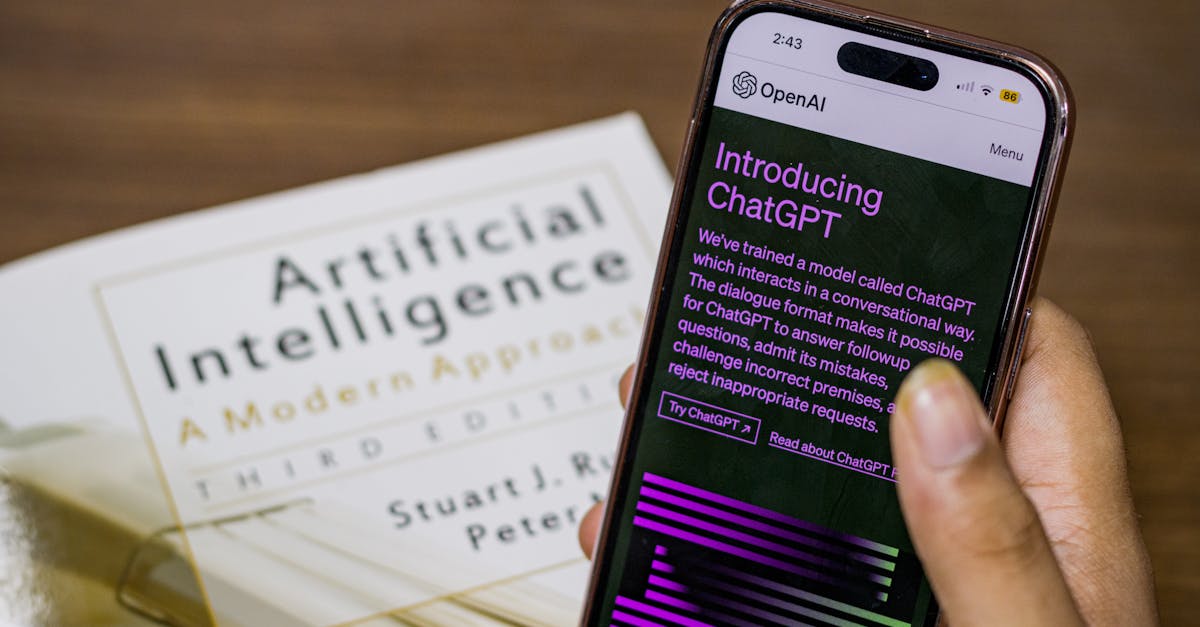
Introduction to Building AI Chatbots in 2026
As businesses strive to enhance customer experience, AI chatbots have become indispensable. In 2026, advancements in natural language processing and machine learning offer unprecedented opportunities to create smart, responsive chatbots.
Why Build an AI Chatbot?
Chatbots streamline customer interactions, provide 24/7 support, and reduce operational costs. They help brands engage users personally, boosting satisfaction and loyalty.
Essential Tools for 2026
- Natural Language Processing Platforms: OpenAI GPT-5 and Google PaLM 2 enable more natural, context-aware conversations.
- Omni-Channel Frameworks: Tools like Rasa and Botpress now integrate seamlessly across web, mobile, and social media channels.
- Visual Bot Builders: No-code platforms such as Landbot and ManyChat simplify development for non-technical users.
Step-by-Step Chatbot Build Process
1. Define Objectives: Identify chatbot goals, user needs, and key functions.
2. Choose the Right Framework: Select AI models and integration methods.
3. Design Conversation Flows: Map interactions emphasizing clarity and personalization.
4. Train and Test: Use diverse datasets to improve understanding.
5. Deploy and Monitor: Launch on target platforms and continually analyze performance for improvements.
Best Practices to Follow
- Incorporate user feedback loops for continuous learning.
- Ensure data privacy and compliance with regulations like GDPR.
- Use fallback mechanisms to handle unexpected queries gracefully.
- Optimize for multiple languages and accessibility.
“A well-built AI chatbot in 2026 is not just reactive but proactively enhances user experience.”
Conclusion
Building AI chatbots in 2026 requires a blend of innovative tools and strategic planning. Following this guide empowers developers and businesses to create intelligent bots that engage and satisfy users effectively.