 Omnilib
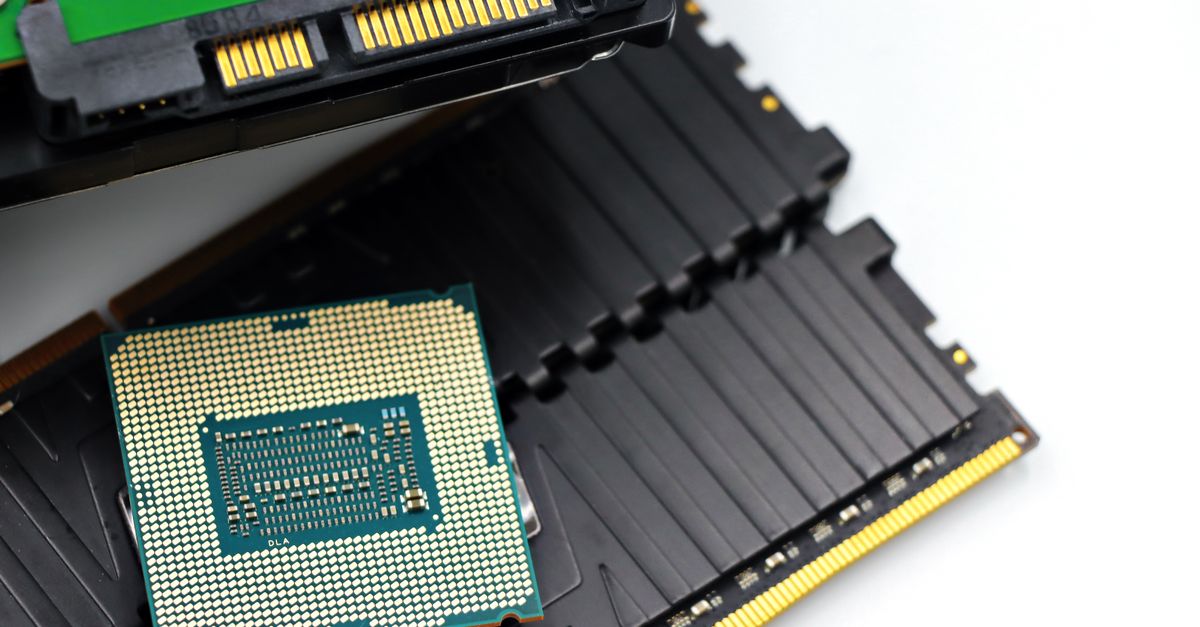
South Korea AI Investment: A Monumental $550B Memory Chip Drive
South Korea is making a bold statement to the tech world with a $550 billion commitment to ramp up memory chip production, positioning itself as a cornerstone in the global AI hardware ecosystem. This strategic move comes as AI technologies demand increasingly powerful and specialized memory solutions — a challenge that has sparked what industry insiders are calling “RAMageddon.”
The country’s two largest memory chip manufacturers, Samsung Electronics and SK Hynix, are spearheading the investment. Their goal? To build cutting-edge memory fabs that can meet surging demand and ease global supply chain bottlenecks. This isn’t just about capacity; it’s about South Korea staking a claim as the critical AI hardware powerhouse for the next decade.
Memory Chips and AI Hardware: Why South Korea’s Bet Matters
Memory chips, especially DRAM and SRAM, are the unsung heroes in AI systems — feeding data to processors at breakneck speeds and enabling the complex computations at the core of machine learning. As AI models balloon in size and complexity, the need for faster, more efficient memory solutions has never been greater.
South Korea’s investment is more than a national economic play; it’s a direct challenge to the global dominance of Nvidia, which currently commands the AI chip market. Nvidia’s GPUs rely heavily on high-performance memory, and bottlenecks here can throttle AI development worldwide.
By ramping up memory chip production, South Korea is effectively strengthening the backbone of AI hardware, ensuring smoother data flow and powering the next wave of innovation.
“This massive investment positions South Korea not just as a supplier, but as an indispensable player in AI hardware — a move that will reshape global supply chains and innovation trajectories.” – Industry Analyst
Global AI Supply Chains: Easing the RAMageddon
The term “RAMageddon” was coined to describe the precarious shortage of memory chips that has plagued AI developers and hardware manufacturers alike. These shortages have led to delays, increased costs, and innovation bottlenecks.
South Korea’s plan to expand memory fabs means addressing these pain points head-on. More fabs mean increased production capacity, which translates to reduced lead times and lower prices. This expansion will also diversify the supply chain, reducing overreliance on a handful of players and regions.
Key Impacts on Supply Chains
- Increased memory chip availability, reducing bottlenecks for AI hardware manufacturers.
- Greater supply chain resilience through geographic diversification.
- Lower costs for AI system builders, enabling broader adoption.
- Accelerated innovation cycles due to faster access to critical components.
South Korea AI and the Competitive Chip Market
Nvidia’s GPUs dominate AI chipsets, but the memory component is a critical lever that South Korea’s fabs will supply. This dynamic could shift competitive advantage in several ways:
- Lower Production Costs: South Korean fabs can produce memory chips at scale, potentially reducing the costs of AI hardware integration.
- Strategic Partnerships: Samsung and SK Hynix may deepen collaborations with AI chip designers, influencing future chip architectures.
- Technology Leadership: South Korea’s investment will likely accelerate R&D in memory tech, such as next-gen DRAM and emerging memory types tailored for AI workloads.
This reshaping of the chip market will ripple through AI developers, hardware vendors, and ultimately, end users relying on AI-powered tools.
The Bottom Line: What This Means for You
Whether you’re an AI developer, startup founder, or tech enthusiast, South Korea’s $550 billion memory chip bet signals a pivotal shift. Expect improved access to faster, more affordable AI hardware components, which can accelerate your projects and reduce dependency on limited suppliers.
For those hunting the latest AI tools and hardware advancements, platforms like Omnilib offer a curated directory of AI innovations, helping you stay ahead amid this hardware renaissance.
Looking Ahead: The Future of AI Hardware is Being Forged Now
South Korea’s massive investment isn’t just a response to current demand; it’s a forward-looking gamble on AI’s trajectory. By solidifying its position in the memory chip market, the country is poised to become a fulcrum of AI hardware innovation globally.
This move could spark a race among other nations and companies to expand chip fabs, diversify supply chains, and push AI hardware capabilities further. The era of chip scarcity may soon be behind us — replaced by a new age of abundance and rapid AI advancement.
For the global tech ecosystem, staying informed and agile will be key. And as always, resources like Omnilib’s blog will be your guide to navigating this evolving landscape.