 Omnilib
The AI Supply Chain Revolution: What’s Changing?
In 2026, the AI supply chain landscape has evolved from experimental to indispensable. Companies now harness AI-powered tools to forecast demand with unprecedented accuracy, optimize inventory, and automate logistics. This isn't just incremental improvement; it’s a paradigm shift in how goods move globally.
Smarter Forecasting and Demand Planning
Traditional supply chains often falter due to unpredictable consumer behaviors and external shocks. AI algorithms now analyze diverse data streams — from social media trends to weather patterns — enabling businesses to anticipate demand surges or drops well in advance.
“AI-driven forecasting is no longer a luxury but a necessity,” says supply chain analyst Laura Chen. By reducing stockouts and overstocks, AI tools cut costs and improve customer satisfaction.
Automation and Robotics Integration
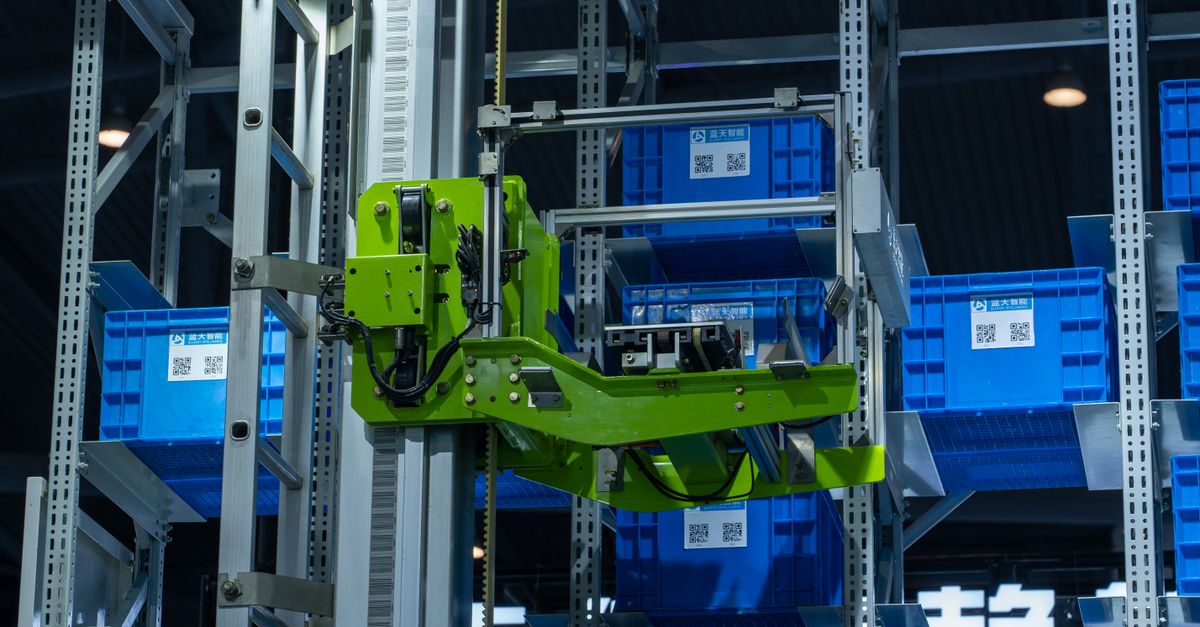
Warehouse automation powered by AI and robotics accelerates order fulfillment. Machine learning enhances robot navigation and item recognition, making warehouses more adaptable to fluctuating inventory.
Companies deploying AI-driven robotic systems report up to 40% faster processing times. The synergy of AI with IoT devices further streamlines tracking and maintenance of equipment.
Building Resilient and Agile Supply Chains
The COVID-19 pandemic exposed fragilities in global supply networks. AI mitigates these risks by continuously monitoring supplier health, geopolitical developments, and transportation disruptions.
“Resilience is strength,” asserts Omnilib’s AI tools directory curator. AI tools now offer real-time risk assessment dashboards, letting managers pivot quickly.
Practical Insights for Businesses
- Integrate AI gradually: Start with demand forecasting before expanding to logistics automation.
- Leverage diverse data: Use alternative data sources for richer insights.
- Invest in training: Equip staff to work alongside AI systems effectively.
Omnilib provides an extensive catalog of AI supply chain tools helping businesses identify the right solutions for their needs. As AI becomes integral to supply chains, embracing these technologies early offers a competitive edge.