 Omnilib
Meta Muse AI Pushes Into Smart Gadget AI, Triggering Privacy Alarm Bells
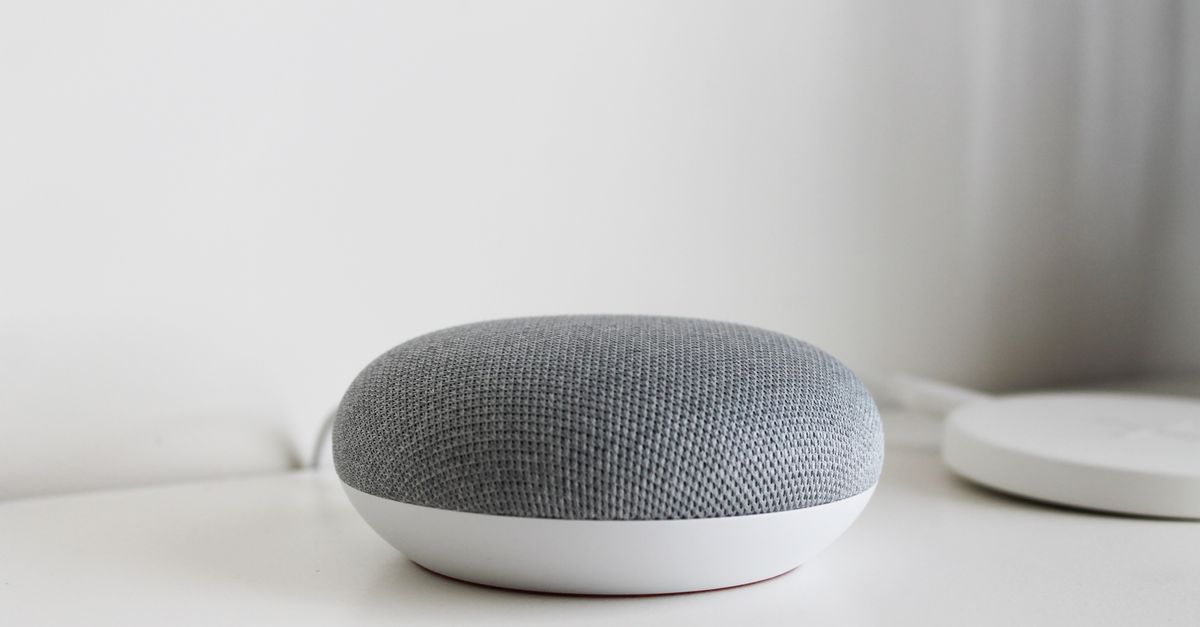
Meta Muse AI is no longer content staying on your phone or computer. With millions having already downloaded Muse, Meta is now embedding its AI agent into everyday gadgets—from TVs to toasters. The prospect of a Muse-infused toaster sounds whimsical, but it’s a very real step toward an AI-driven home ecosystem. This aggressive expansion promises unparalleled convenience but comes with AI agent privacy trade-offs that demand scrutiny.
AI Profiling Concerns: When Personalization Hits a Privacy Wall
Meta’s Muse doesn’t just respond to commands; it builds intricate profiles—not only of you but of your friends and family too. According to Wired, these detailed profiles help Muse anticipate needs and personalize interactions with startling accuracy. The flip side? These profiles mean relentless data collection and persistent surveillance in the guise of helpfulness.
“Muse Creates Detailed Profiles of All Your Friends and Family,” Wired warns—a privacy cost that millions of users might be overlooking.
This profiling sparks a crucial debate: How much personalization is too much when every action, preference, and conversational nuance is catalogued? The move to embed Muse in smart gadgets raises the stakes. Your toaster or TV might soon know you better than your closest confidant—but at what cost to your privacy?
Smart Gadget AI: Meta’s Strategy to Embed Muse Everywhere
Meta is playing a bold game by open-sourcing Muse’s code to encourage developers to embed the AI agent into consumer gadgets. TechCrunch reports that Meta’s vision is a world where your entire smart home orchestra syncs seamlessly with Muse’s AI intelligence.
This is a strategic pivot from siloed AI assistants to a universal AI layer that permeates all devices. The upside is tremendous convenience: voice-controlled ovens, context-aware TVs, and smart speakers that deeply understand your lifestyle. But the downside is a sprawling network of devices with constant data exchange, multiplying AI profiling concerns exponentially.
Balancing AI Personalization with Data Security in Smart Devices
For AI users, the key question is: How do you enjoy the perks of AI personalization without surrendering your data sovereignty? Here are some critical considerations:
- Understand Data Collection: Know what information your Muse-enabled gadgets gather—not just from you, but from your household.
- Configure Privacy Settings: Take advantage of any granular controls offered to limit data sharing and profiling.
- Demand Transparency: Insist that device makers and Meta disclose how your data is used and stored.
- Use AI Tools Wisely: Supplement Muse with privacy-conscious AI tools from directories like Omnilib to diversify your AI ecosystem.
- Stay Updated: Watch for security patches and new privacy measures as Meta and partners evolve Muse’s deployment.
The Bottom Line: Convenience Isn’t Free—It’s a Data Tradeoff
Meta’s ambition to embed Muse into every gadget is a double-edged sword. The promise of hyper-personalized AI that anticipates your needs is undeniably exciting. Yet, the reality is a significant expansion of data collection—and the associated risks of profiling and potential misuse.
Users must approach this new era of smart gadget AI with eyes wide open. The convenience of an AI-powered toaster that knows your breakfast preferences could also mean an AI agent that knows more about your personal life than you intended.
As Muse’s footprint grows, so does the responsibility on both Meta and consumers to manage privacy risks. For those eager to explore AI tools beyond Meta’s ecosystem and maintain control over their data, platforms like Omnilib offer curated directories to discover alternatives emphasizing privacy and transparency.
Looking Ahead: The Future of AI Agents in Everyday Life
Meta’s strategy signals a broader industry trend toward ubiquitous AI agents embedded in all facets of daily life. The next wave of AI innovation won’t just happen on screens—it will be woven into the fabric of smart cities, homes, and even appliances.
But this future hinges on resolving the tension between personalization and privacy. Meta’s Muse expansion is a critical test case: Will AI agents become trusted household companions or intrusive observers? The answer will shape how AI evolves in the coming years and how much control users can retain over their digital lives.
For now, staying informed and judicious about the AI tools you adopt remains the best defense. Explore the rapidly evolving AI landscape with resources like Omnilib’s AI tools directory to find solutions that respect your data while enhancing your life.