 Omnilib
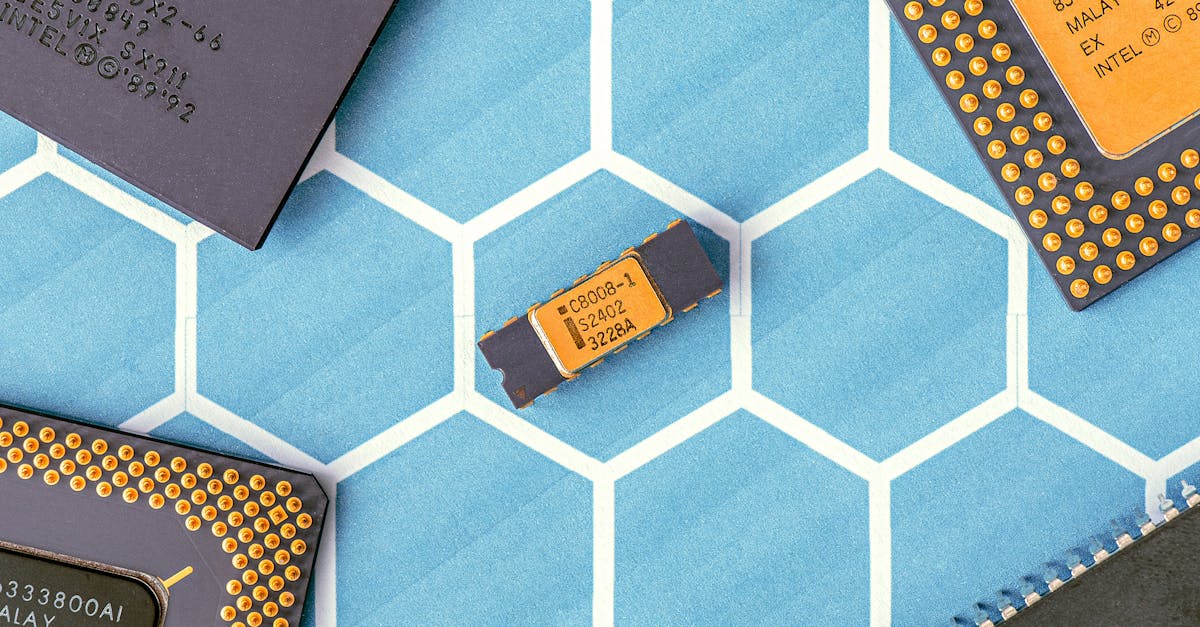
Meta AI Chips Set for September Production: A New Era in Modular AI Hardware
Meta’s new AI chips will begin production this September, marking a pivotal moment in AI infrastructure. Unlike the monolithic chips of the past, Meta’s design embraces a modular approach—anticipating how rapidly AI demands will evolve. This isn’t just another silicon update; it’s a strategic pivot with far-reaching implications for AI tool developers.
By front-loading the concept of modularity, Meta is betting on flexibility as the future foundation of AI hardware. This is a bold move in an industry often dictated by fixed, rigid chip architectures. For developers building scalable AI tools, this could unlock a new level of customization and optimization previously out of reach.
Modular AI Hardware: What It Means for AI Tool Development
The traditional cycle of upgrading AI chips every few years is already a costly and slow process. Meta’s modular AI chips break this mold by allowing components to be swapped or upgraded independently. Developers can expect faster iterations on AI models without waiting for an entirely new chip generation.
For AI tool developers, this could mean:
- Accelerated experimentation with AI models optimized for specific tasks.
- Reduced hardware bottlenecks, leading to more efficient training and inference.
- Greater accessibility to high-performance AI infrastructure at varying scales.
As AI workloads diversify—from language models to computer vision and reinforcement learning—this hardware flexibility will be a critical enabler. Meta’s approach signals a shift that other industry players may soon follow.
AI Infrastructure Trends: Meta’s Modular Chips in Context
The AI infrastructure landscape is evolving rapidly. Tech giants like NVIDIA and Google have long dominated with fixed architecture chips designed for broad workloads. Meta’s decision to produce modular hardware highlights an emerging trend: the need for adaptable AI infrastructure that can keep pace with the innovation speed of AI research.
“By anticipating rapid evolution in AI workloads, Meta’s modular design offers a future-proof path for hardware that matches the agility software developers demand.”
This shift aligns closely with movements in edge computing and federated learning, where customizable hardware configurations are key to balancing performance and cost.
What This Means for You: Developers and the AI Ecosystem
Whether you’re building AI-powered SaaS platforms, chatbots, or advanced analytics tools, the arrival of modular AI chips from Meta changes the game. Here’s what you need to know:
- Scalability: Easily scale your AI workloads by choosing chip modules tailored to your specific needs.
- Cost Efficiency: Modular upgrades mean you don’t have to replace entire systems to keep pace with AI breakthroughs.
- Performance Optimization: Fine-tune hardware directly aligned to your model’s architecture and data requirements.
To stay ahead, AI tool builders should monitor this hardware evolution closely. Platforms like Omnilib’s AI tools directory are invaluable for discovering tools optimized for new chip architectures and modular designs.
Meta AI Chips and the Future of AI Tool Development
Looking forward, Meta’s modular AI chips could spark a wave of innovation across the AI tool ecosystem. As chip production ramps up in September, expect developers to experiment with new configurations that maximize speed, efficiency, and cost-effectiveness.
This development also pressures other chipmakers to reimagine their offerings. The race toward modular, adaptable AI hardware is just beginning, and the winners will be those who empower developers with the flexibility to innovate rapidly.
For AI builders, this means a future where hardware constraints are less of a bottleneck and more of a customizable enabler. And for the broader AI infrastructure landscape, Meta’s move may well be the first domino in a larger shift toward modular, agile, and developer-centric hardware design.
Stay tuned on more on our blog to track how these infrastructure trends unfold and shape the AI tools you rely on.