 Omnilib
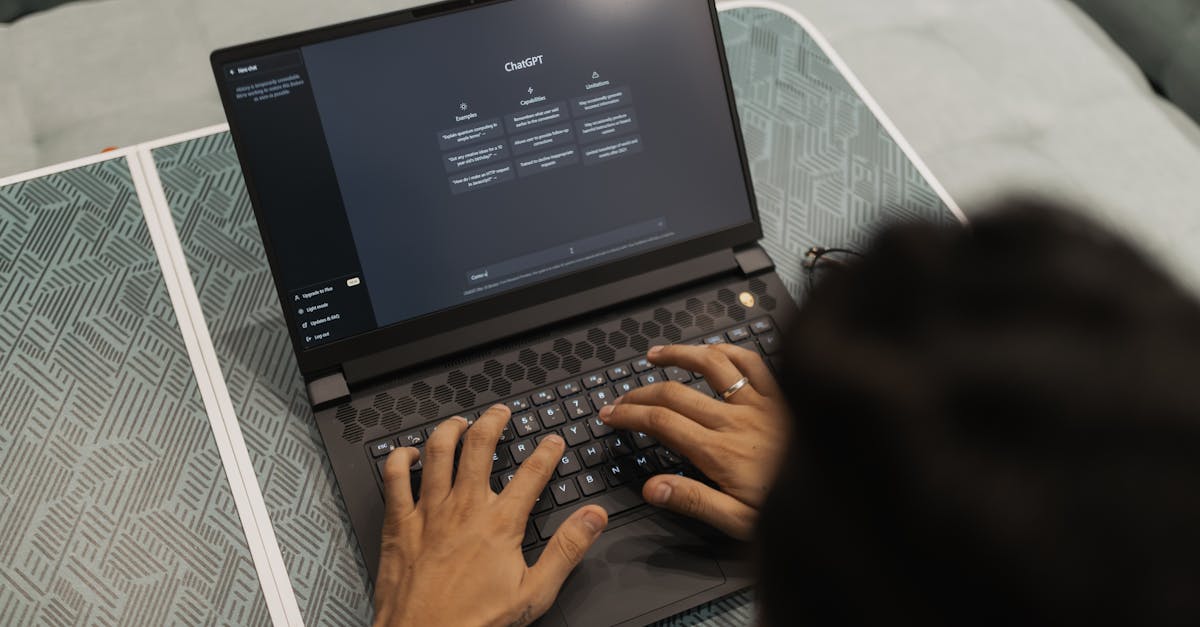
The AI Revolution in Remote Work
Remote work has become a staple in modern employment, accelerated by technological advances and shifting workforce expectations. AI technologies are now pivotal in evolving this landscape, making remote work more productive and engaging than ever.
Key AI Tools Driving Remote Efficiency
- Smart Scheduling: AI-powered calendars optimize meeting times across time zones.
- Virtual Collaboration: AI-enhanced platforms provide real-time transcription, language translation, and sentiment analysis to improve communication.
- Task Automation: Routine tasks such as data entry and follow-ups are automated, freeing up employees for creative work.
Best Practices to Leverage AI in Remote Settings
1. Customize AI Tools to Team Needs: Different teams benefit from specific AI solutions; find and tailor tools that address your unique workflows.
2. Prioritize Transparent AI Use: Inform employees about AI functions to build trust and encourage adoption.
3. Foster Human-AI Collaboration: Use AI to augment human skills rather than replace roles, enhancing job satisfaction and results.
Overcoming Challenges
Successful AI integration requires monitoring potential biases in algorithms and ensuring data security, particularly with sensitive work information.
"AI is not just a tool for remote work; it is the foundation for a new era of teamwork and flexibility."
With AI continuously evolving, organizations that prioritize best practices and employee-centric approaches will lead the way in the future of remote work.