 Omnilib
Background: The GPU Shortage Continues
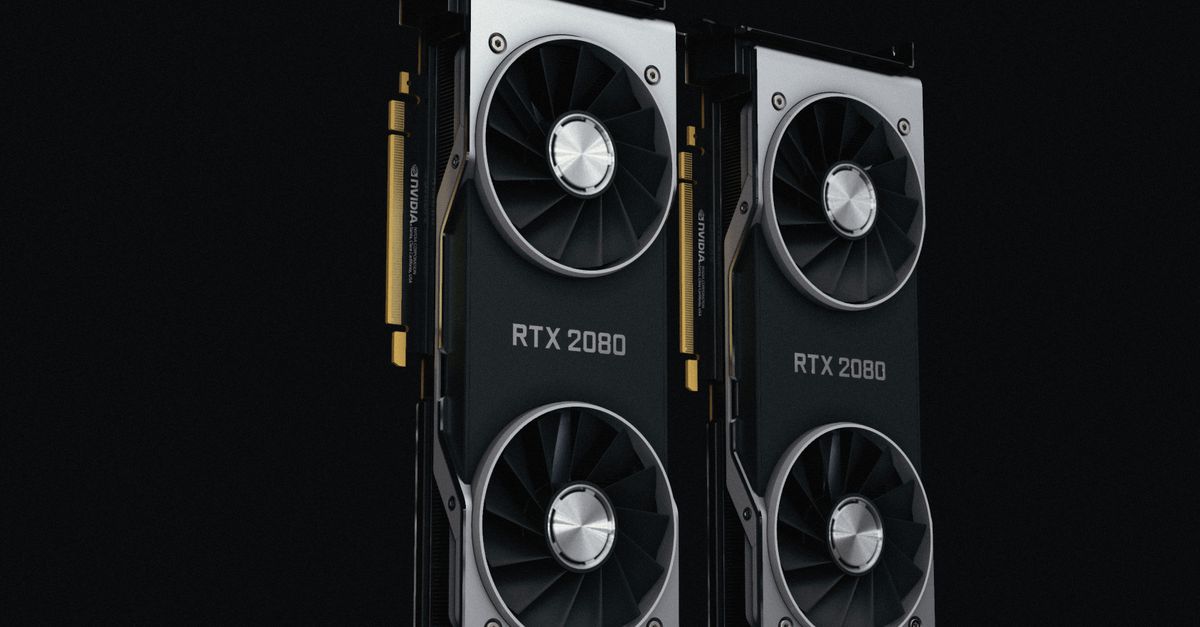
Since its initial onset in the early 2020s, the GPU shortage affecting AI hardware has persisted into 2026. GPUs remain essential for training and running AI models, and scarcity impacts multiple sectors relying on advanced computing power.
Key Causes of the Ongoing Shortage
- High Demand From AI and Gaming: Both sectors require powerful GPUs, intensifying competition.
- Supply Chain Disruptions: Global logistics challenges and rare material scarcity complicate manufacturing.
- Geopolitical Factors: Trade restrictions and tariffs affect component availability.
- Manufacturing Capacity Limits: Semiconductor fabs are operating near maximum output.
Impacts on AI Development
AI researchers and companies face several consequences:
- Project Delays: Hardware acquisition bottlenecks delay model training and deployment.
- Increased Costs: GPU prices spike, raising operational expenses.
- Innovation Slowdown: Limited access to cutting-edge GPUs restricts experimentation.
- Shift to Alternative Hardware: Organizations explore TPUs, FPGAs, and emerging AI chips.
Industry Responses and Adaptations
To mitigate challenges, the industry has adopted strategies such as:
- Cloud GPU Rentals: Using cloud providers’ scalable GPU resources to avoid upfront purchases.
- Algorithmic Efficiency: Developing models optimized for less powerful hardware.
- Investment in Domestic Manufacturing: Governments and companies increasing fab capacities locally.
- Collaboration and Sharing: Pooling computing resources in research consortia.
Looking Ahead
While supply improvements are anticipated over the next few years, demand growth—especially from AI and gaming sectors—may continue to strain the market. Organizations should plan procurement carefully and consider hybrid hardware strategies.
Conclusion
The 2026 GPU shortage remains a pivotal factor shaping AI advancement timelines and cost structures. Proactive adaptation and innovation in hardware use will be essential.
“Navigating GPU scarcity challenges is critical for sustaining AI’s rapid evolution.”