 Omnilib
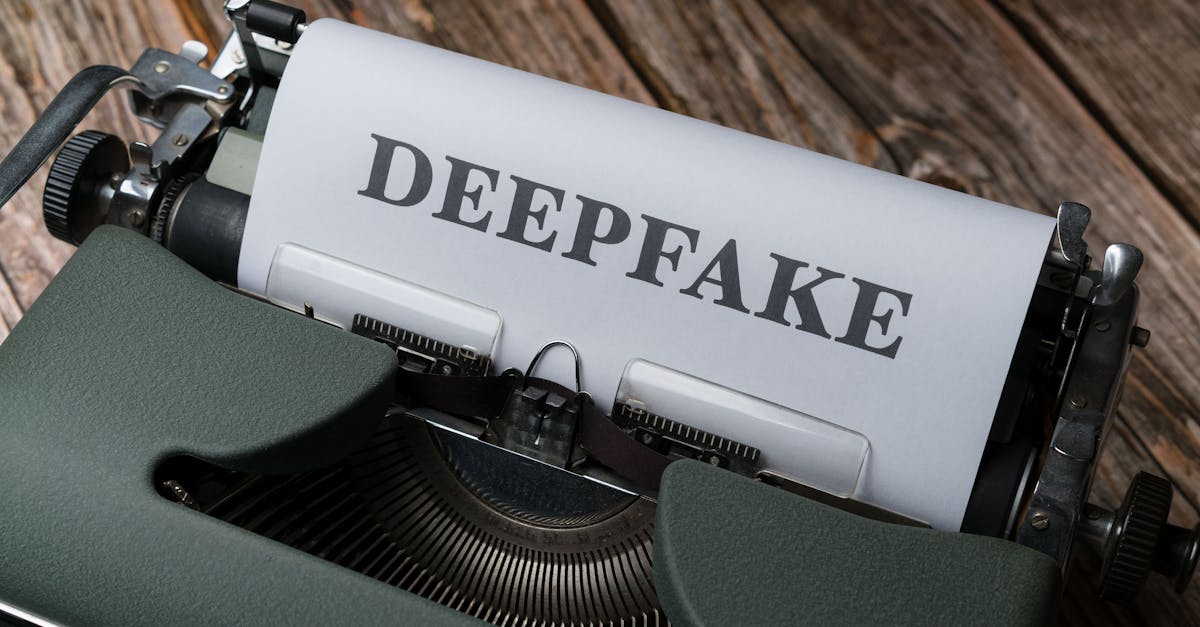
Understanding Deepfake Technology and Risks
Deepfakes harness AI to fabricate highly realistic synthetic media, making it challenging to distinguish real from fake. This technology poses risks including misinformation, identity theft, political manipulation, and reputational damage.
Why Legislation Matters
Governments globally are adopting or updating laws to regulate deepfake creation and dissemination. Effective legislation aims to balance innovation with protections against malicious use, ensuring accountability and victim recourse.
Key Legislative Trends in 2026
- Mandatory Disclosure: Laws increasingly require labeling AI-generated or altered media clearly to prevent deception.
- Criminalizing Malicious Deepfakes: Enhanced penalties for deepfakes used in defamation, fraud, or electoral interference.
- Platform Liability: Imposing greater responsibility on social media and hosting services to identify and remove harmful deepfakes promptly.
- Privacy Protections: Expanding rights for individuals to control likeness and consent for synthetic media usage.
Challenges and Enforcement
Legislators grapple with balancing freedom of expression and technological progress against potential harms. The rapid evolution of AI capabilities requires adaptable frameworks supported by technical expertise.
"Combating deepfake threats demands coordinated legal, technological, and public awareness efforts."
Conclusion
Emerging deepfake laws in 2026 reflect global recognition of AI's dual-use nature. Staying abreast of these developments is crucial for creators, platforms, and consumers to navigate ethical and legal responsibilities in the synthetic media era.