 Omnilib
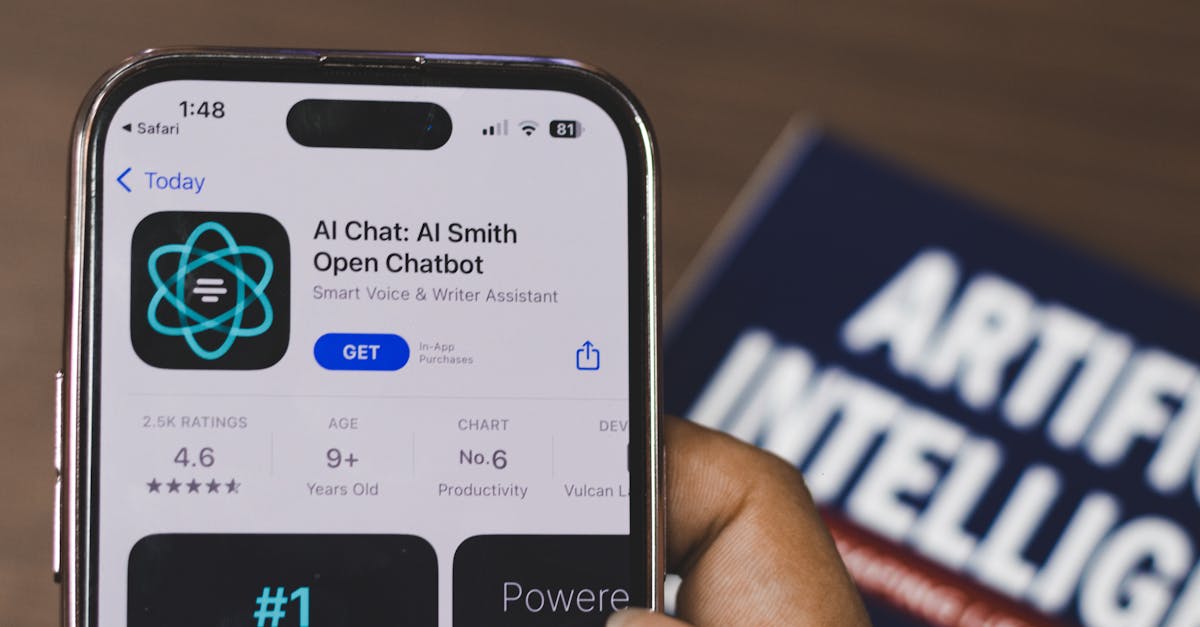
The Evolution of AI Integration in Mobile and Web Apps
In 2026, integrating artificial intelligence into applications is no longer a futuristic concept but a standard expectation. Developers and companies are pushing boundaries to create smarter, more intuitive apps that deliver personalized experiences and optimize workflows.
From Basic Automation to Contextual Intelligence
Earlier AI implementations focused largely on automation and simple predictive features. Today’s integrations feature contextual understanding, allowing apps to adapt dynamically based on user behavior, preferences, and real-time data streams.
- Natural language processing (NLP) enables conversational interfaces that feel more human.
- Computer vision enhances image and video recognition capabilities within apps.
- AI-powered recommendation systems provide hyper-personalized content and product suggestions.
APIs and SDKs Shape the Integration Landscape
One key factor accelerating AI adoption is the proliferation of robust AI APIs and SDKs. These tools abstract machine learning complexity and allow developers—both seasoned and novice—to embed intelligence quickly and securely.
For example, Omnilib.app offers a growing directory of AI tools and APIs designed to simplify integration tasks, from text generation to sentiment analysis and voice recognition.
Emerging Trends to Watch in AI App Integration
As AI integration matures, several trends are defining the future landscape:
- Edge AI pushes intelligence closer to users by processing data locally on devices.
- Multimodal AI combines text, image, and audio data for richer interaction models.
- Ethical AI frameworks ensure transparency and fairness within AI-powered apps.
- Low-code/no-code AI builders democratize access to AI-enabled app features.
Conclusion
AI integration in apps continues to evolve at a breakneck pace, driven by technological advancements and developer-friendly tools. Utilizing AI APIs and embracing emerging trends will be essential for building the next generation of impactful, intelligent applications.