 Omnilib
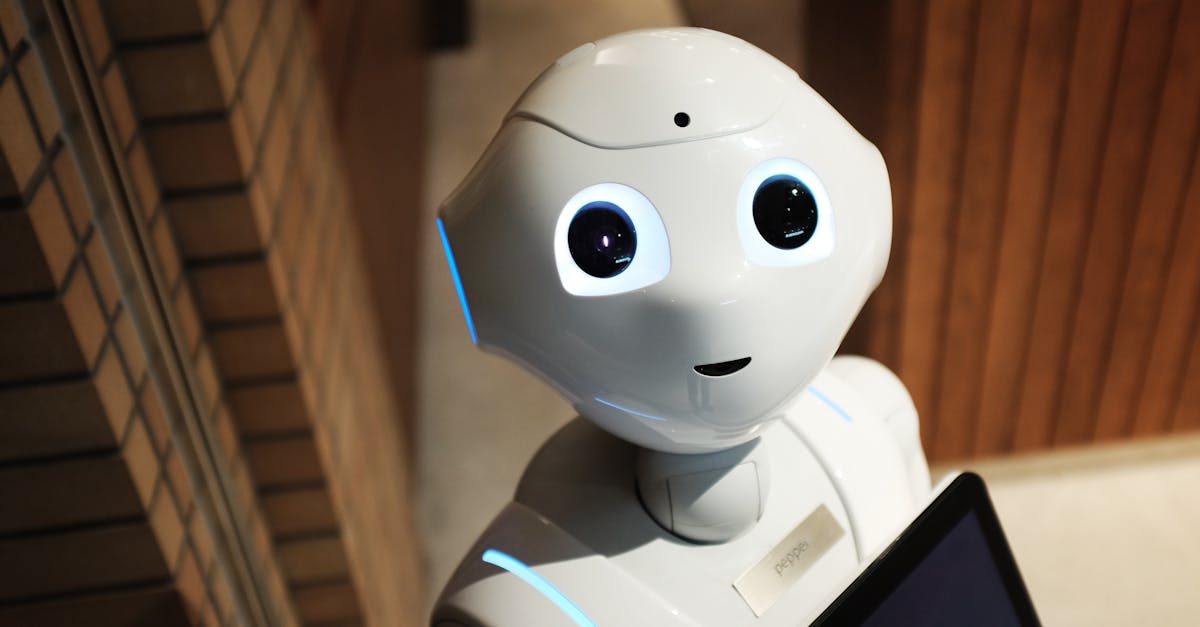
The Evolution of AI Assistants in 2026
Artificial Intelligence assistants have become indispensable across personal and professional domains. In 2026, AI assistants are more capable, context-aware, and integrated than ever before. This post compares key AI assistant tools that are leading the charge in enhancing productivity and user experience.
Leading AI Assistant Tools Overview
Popular AI assistants now include OmniAI, VoiceMate, TaskFlow AI, and BrainBox. Each offers unique strengths catering to different user preferences and workflows.
Feature Comparison
- Contextual Understanding: BrainBox uses advanced NLP to handle complex queries, while VoiceMate excels in voice recognition and natural dialogue.
- Integration Ecosystem: TaskFlow AI integrates seamlessly with project management and CRM tools, enhancing team collaboration.
- Customization: OmniAI offers extensive customization for industry-specific needs, enabling tailored workflows.
- Multimodal Interaction: Most tools now support voice, text, and visual inputs, with OmniAI leading in augmented reality integration.
User Experience and Accessibility
User-centric design has propelled AI assistants forward. Tools focus on reducing friction with intuitive interfaces, context-aware suggestions, and privacy controls. Accessibility enhancements allow users with disabilities to leverage AI assistants effectively.
Future Directions
The future of AI assistants points to deeper emotional intelligence, predictive capabilities, and proactive assistance. These tools will anticipate user needs, deliver personalized insights, and evolve continuously through machine learning.
Conclusion
Choosing an AI assistant depends on your workflow, device ecosystem, and priorities like voice control, integration, or customization. 2026’s lineup offers robust options designed to boost productivity and enrich user interaction.
“AI assistants aren’t just tools—they’re collaborators in the modern digital workflow.”