 Omnilib
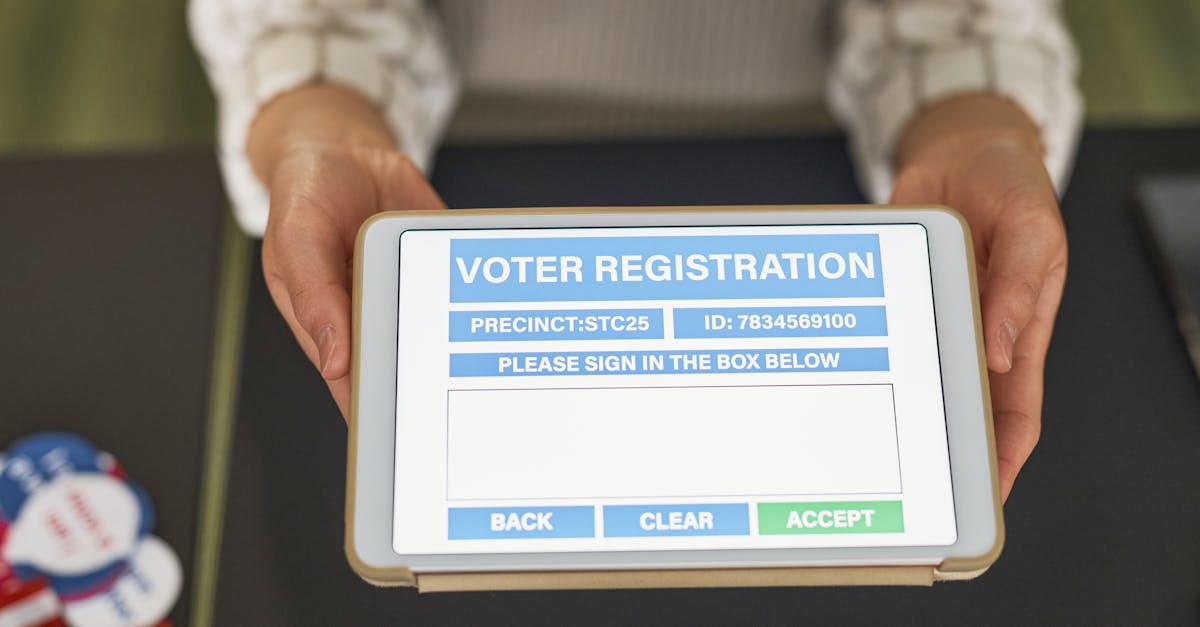
The Rise of AI in Electoral Processes
Artificial Intelligence is dramatically changing the landscape of elections in 2026. From enhancing voter engagement to securing vote counts and combating misinformation, AI tools are becoming an indispensable part of the democratic process.
AI-Powered Voter Engagement
Campaigns now deploy AI systems to analyze vast data sets and tailor communications on a personal level. Chatbots and virtual assistants help voters find polling locations and answer election-related questions in real time.
Fraud Detection and Election Security
One of the biggest concerns in modern elections is election fraud and hacking. AI algorithms monitor voting patterns to detect anomalies and potential tampering, offering authorities actionable intelligence to ensure transparency.
Combating Misinformation
AI tools scan social media and news outlets to identify and flag fake news or misleading content, reducing voter manipulation and promoting informed decision-making.
Challenges and Ethical Considerations
While AI offers numerous benefits, ethical questions arise around data privacy, algorithmic bias, and transparency. Regulators and tech developers must collaborate to establish responsible AI usage in elections.
Conclusion
As AI continues to evolve within electoral systems, it promises enhanced efficiency, security, and voter participation. Staying informed on these advancements is critical for those invested in the future of democracy.