 Omnilib
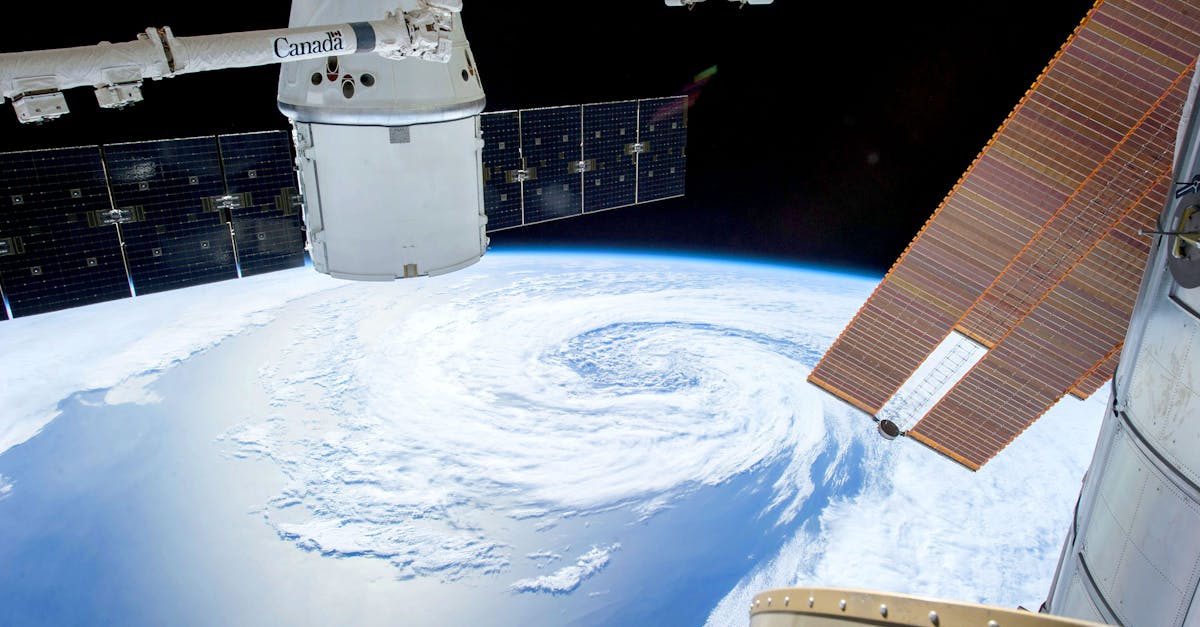
DeepMind WeatherNext: Breaking the Hurricane Forecasting Mold
Imagine predicting a devastating hurricane’s path and intensity days earlier than current models allow. DeepMind WeatherNext claims to do just that, using cutting-edge AI techniques on surprisingly low-resolution weather data. This isn’t just incremental progress; it’s a seismic leap in AI hurricane prediction and climate forecasting AI.
Traditional hurricane prediction depends heavily on high-resolution, computationally expensive simulations. WeatherNext disrupts that norm by leveraging novel machine learning architectures that remain effective despite lower-res input. The result? Faster, more accurate storm forecasts that could save lives and billions in damages.
How WeatherNext’s AI Model Outperforms Conventional Methods
WeatherNext’s strength lies in its ability to understand complex atmospheric dynamics without the crutch of ultra-detailed data. DeepMind’s team trained the model on historical weather patterns and storm tracks, enabling it to recognize subtle precursors to hurricane formation and shifts.
What’s striking is that even DeepMind researchers are still unraveling exactly how WeatherNext achieves this edge. It suggests a new class of AI models capable of discovering physical insights implicitly, beyond traditional physics-based models.
“WeatherNext can predict hurricanes earlier than everyone else, despite using lower-resolution input data. This challenges our entire approach to climate modeling.” – DeepMind spokesperson
Implications for Disaster Preparedness AI and Climate Resilience
Earlier and more accurate hurricane forecasts translate directly to better disaster response. Emergency planners gain critical extra lead time to evacuate populations, allocate resources, and mitigate damage. This is a game-changer for disaster preparedness AI frameworks worldwide.
Moreover, integrating WeatherNext-style predictive models into broader climate workflows — from insurance risk assessment to infrastructure design — could enhance resilience against increasingly volatile weather.
Top Benefits of Incorporating AI Hurricane Prediction Tools Like WeatherNext
- Extended lead times: Forecast hurricanes days earlier than traditional methods.
- Cost efficiency: Uses lower-res data, reducing computational expense.
- Accuracy: Better track and intensity predictions improve response precision.
- Scalability: Open-sourced model enables wider adoption and customization.
- Integration potential: Fits into diverse climate risk and disaster management platforms.
How AI Tool Users Can Leverage WeatherNext and Similar Models
For data scientists, climate analysts, and AI developers, WeatherNext’s open-source release offers a powerful new tool in the arsenal. By exploring its architecture and tuning it for specific regions or use cases, users can build tailored forecasting solutions.
Platforms like Omnilib’s AI tools directory provide easy gateways to discover WeatherNext and related climate forecasting AI, ensuring you stay ahead of the curve in this rapidly evolving field.
The Bottom Line: Why WeatherNext Matters Beyond the Forecast
DeepMind’s WeatherNext is more than an AI marvel—it’s a critical advancement for humanity’s climate resilience. By democratizing early hurricane prediction with open-source tools, it empowers communities and governments to act decisively.
As climate change intensifies tropical storms, adopting and integrating such predictive AI models becomes not just beneficial, but essential. The era of reactive disaster management is giving way to proactive, AI-driven foresight.
Watch this space: the convergence of AI and climate science is poised for breakthroughs that could redefine how we understand and respond to nature’s most formidable forces.
For those keen to explore the cutting edge of weather AI models and disaster preparedness AI tools, Omnilib remains your go-to directory for discovering and deploying the latest in climate forecasting AI.