 Omnilib
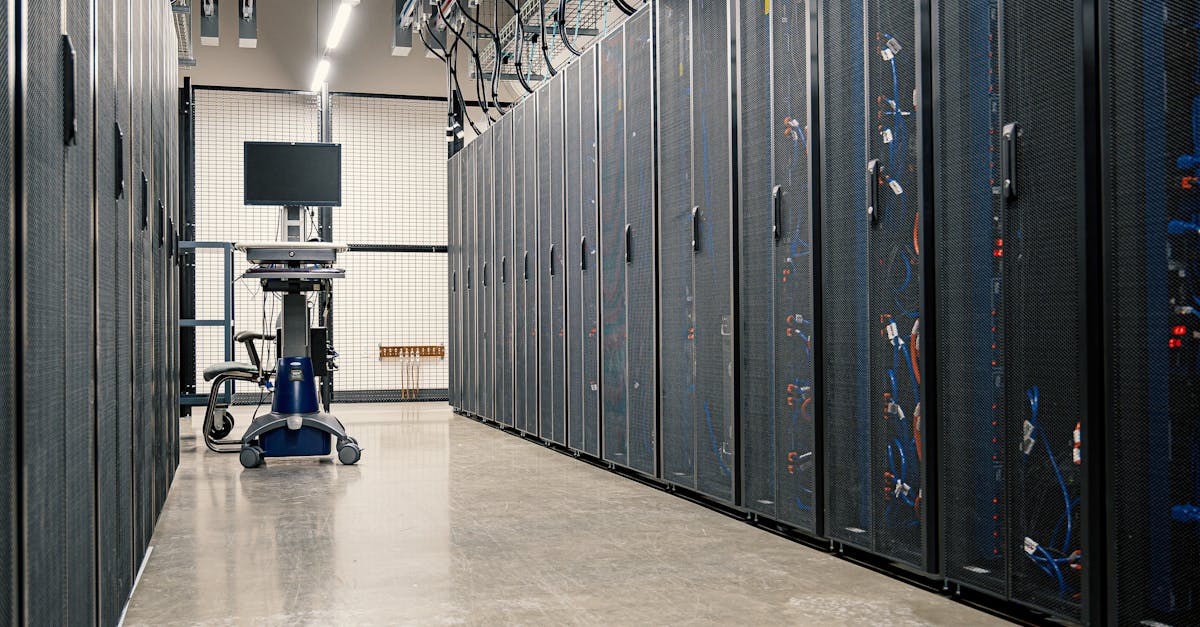
Data Centers and Power Cuts: A Looming Crisis for AI Infrastructure
Data centers are the beating heart of today’s AI revolution — but that heartbeat is under threat. The largest US power grid operators have announced looming temporary power cuts to data centers to prevent blackouts, a drastic measure triggered by the explosive growth in data center construction and energy demand.
This isn’t just a blip on the radar; it’s a wake-up call for AI tool builders and developers who rely heavily on uninterrupted, scalable infrastructure. The US grid, already strained by rising consumption, is now imposing real limits on the very facilities that power AI innovation.
Why Power Cuts to Data Centers Matter for AI Tool Creators
AI development is resource-intensive. From training large language models (LLMs) to running real-time inference, continuous uptime is essential. When power interruptions hit, the impacts ripple across every stage of AI tool deployment.
Consider this: data centers consume about 2% of all electricity in the US, and with AI workloads growing exponentially, that figure is climbing fast. Grid operators have responded by prioritizing residential and essential services, leaving data centers vulnerable to rolling blackouts.
“The rapid pace of data center expansion is outstripping the grid’s capacity, forcing emergency power rationing,” explains Dr. Karen Liu, energy systems analyst at the National Renewable Energy Laboratory.
Strategies to Mitigate Downtime in an Era of Grid Instability
AI tool builders can’t afford to sit idle while power cuts loom. Here are practical strategies to keep your models and services running:
- Leverage Multi-Region Cloud Deployments: Distribute workloads across different geographic regions to avoid single points of failure. For example, combining AWS US East and Google Cloud US West zones can provide resilience.
- Invest in Edge Computing: Deploy AI models closer to users, reducing dependency on centralized data centers vulnerable to grid issues. Tools like NVIDIA EGX and Microsoft Azure Edge Zones enable this shift.
- Use Alternative Energy-Powered Data Centers: Prioritize partners committed to renewable energy. Google’s data centers, for instance, run on 100% renewable energy and have backup power systems designed for continuity.
- Implement Intelligent Load Management: Schedule heavy AI training tasks during off-peak hours or grid-friendly times to minimize strain and reduce risk of forced cutoffs.
- Backup Power Solutions: Invest in onsite battery systems or generators. Tesla’s Powerpack installations at some data centers exemplify how to secure critical AI workloads.
The Future of Sustainable AI Infrastructure Amid Energy Grid Challenges
The intersection of AI and energy demands is a defining challenge of this decade. As AI models grow larger and more complex, their energy appetite threatens to outpace grid capabilities unless radical innovations occur.
Emerging trends include:
- Green AI Initiatives: Companies like OpenAI and Meta are focusing on energy-efficient model architectures to reduce carbon footprints.
- Collaborations Between Grid Operators and Data Centers: Joint efforts aim to forecast demand and integrate renewable energy sources seamlessly.
- Policy Pushes: Governments may soon enforce stricter energy standards for data centers, encouraging sustainability investments.
AI tool creators who embrace these shifts early will gain a competitive edge by ensuring reliability and aligning with growing environmental expectations.
The Bottom Line for AI Developers Navigating Power Cuts
Power cuts to US data centers spotlight a critical vulnerability in AI infrastructure. The takeaway for AI tool builders:
- Expect interruptions. Prepare for grid-induced downtime as a real risk, not a hypothetical.
- Design for resilience. Use multi-cloud, edge computing, and backup power to keep AI services online.
- Champion sustainability. Align your infrastructure choices with renewable energy and efficiency principles.
For developers seeking to discover AI tools and infrastructure solutions tailored to these challenges, Omnilib’s AI tools directory offers an up-to-date resource to explore innovative platforms and technologies that can help future-proof your AI projects.
“AI’s future depends not just on smarter algorithms, but smarter infrastructure that can sustainably support the energy demands of tomorrow’s models.” — Dr. Karen Liu
Looking Ahead: Building Resilience Before the Next Blackout
Data center power cuts are a symptom of a broader tension between technological ambition and energy realities. As AI developers, the imperative is clear: adapt quickly or risk being sidelined by infrastructure failures.
Foresight and flexibility in deployment strategies, combined with a commitment to sustainable practices, will define who thrives in this new era. The AI community must push for innovation not only in code but also in how we power and manage the computing ecosystems behind it.
Keep an eye on Omnilib for the latest tools and updates to navigate this landscape effectively. Because in AI, infrastructure isn’t just support—it’s a competitive advantage.
Explore more on our blog for ongoing analysis of how industry shifts impact AI development.