 Omnilib
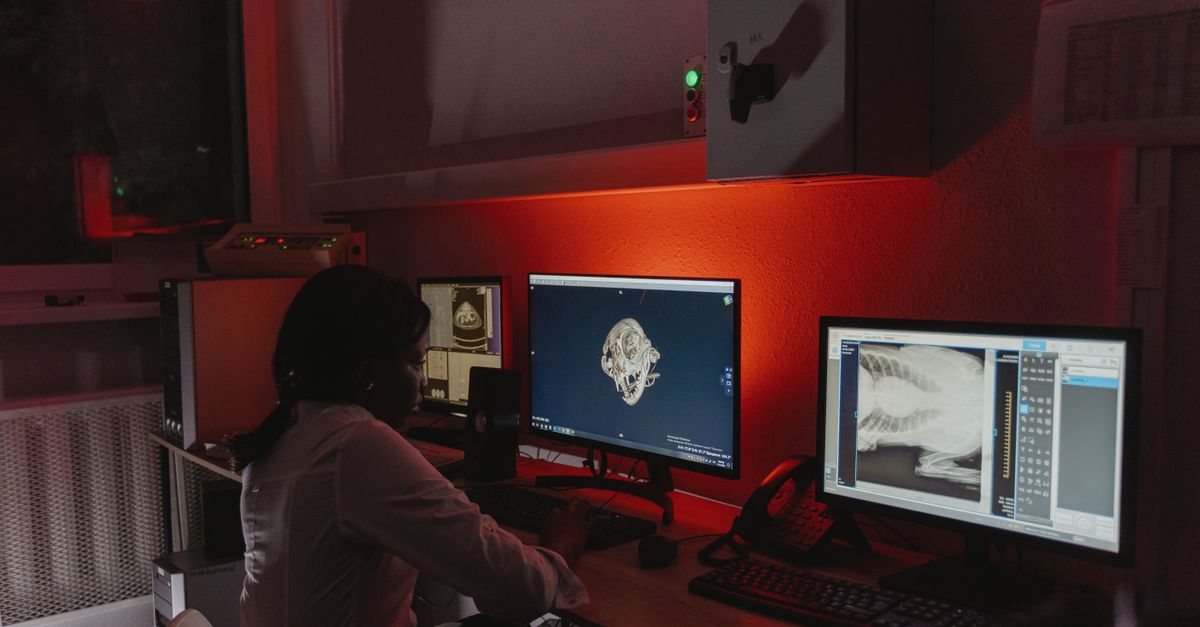
Transforming Healthcare Diagnostics with AI
Artificial intelligence is revolutionizing healthcare diagnostics by enhancing speed and accuracy in detecting diseases. However, responsible implementation remains crucial to maximize benefits while minimizing risks.
Key Best Practices for AI in Diagnostics
- Data Quality and Diversity: Ensure training datasets are comprehensive and representative to reduce diagnostic errors.
- Clinical Validation: Rigorously test AI models with real-world clinical trials before deployment.
- Human-AI Collaboration: Use AI as an assistive tool alongside healthcare professionals, not a replacement.
- Transparency and Explainability: Develop models with interpretable outputs to build trust among clinicians and patients.
- Privacy Compliance: Adhere strictly to data protection laws like HIPAA and GDPR.
Emerging AI Tools Transforming Diagnostics
In 2026, AI tools identify patterns in medical images, predict disease progression, and personalize treatment plans. Solutions featured on Omnilib provide healthcare organizations with access to vetted, cutting-edge diagnostic AI.
Future Directions
The future promises increasingly integrated AI systems combining genomics, imaging, and electronic health records to offer holistic patient insights. Robust governance and ethical frameworks will remain vital to this evolution.
“Combining AI’s analytical power with human judgment drives safer, more precise diagnostics.”
Healthcare providers adopting these best practices can leverage AI to improve diagnostic outcomes while maintaining patient trust and safety.