 Omnilib
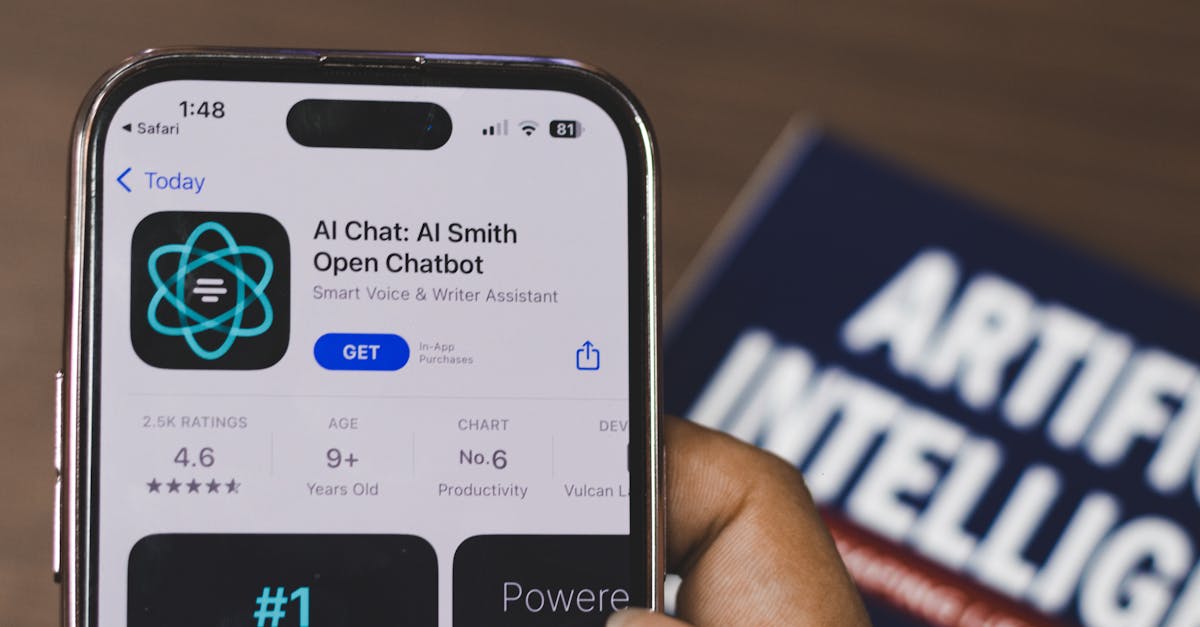
Why Integrate AI Into Applications?
Integrating AI enhances app functionalities, from personalized user experiences to intelligent data processing. In 2026, smarter, faster AI models make integration easier and more impactful.
Key Best Practices for Successful AI Integration
- Define Clear Use Cases: Align AI features with user needs and business goals.
- Choose the Right AI Models: Select pre-trained models or custom AI suited to your app's domain.
- Prioritize Data Quality: High-quality, well-labeled data is critical for reliable AI outputs.
- Implement Scalable Architectures: Use microservices and cloud AI APIs for flexibility and growth.
- Focus on User Experience (UX): Design AI interactions to be intuitive, transparent, and helpful.
- Ensure Security and Privacy: Protect user data with encryption and comply with regulations.
Popular AI Integration Techniques in 2026
Developers commonly leverage APIs like OpenAI, Google Cloud AI, and Microsoft Azure Cognitive Services, enabling functionalities such as NLP, image recognition, and recommendation engines.
Testing and Monitoring AI Performance
Continuous testing, A/B experimentation, and real-time monitoring ensure AI components adapt to user behavior and retain accuracy.
“Integrating AI isn’t just about technology—it’s about enhancing meaningful user interactions.”
Common Pitfalls to Avoid
- Ignoring scalability needs leading to performance bottlenecks.
- Overcomplicating AI features without clear user benefit.
- Neglecting ethical considerations in AI decision-making.
Wrapping Up
Following these best practices empowers developers to embed AI into apps reliably and thoughtfully, creating innovative, competitive products in 2026’s dynamic tech landscape.