 Omnilib
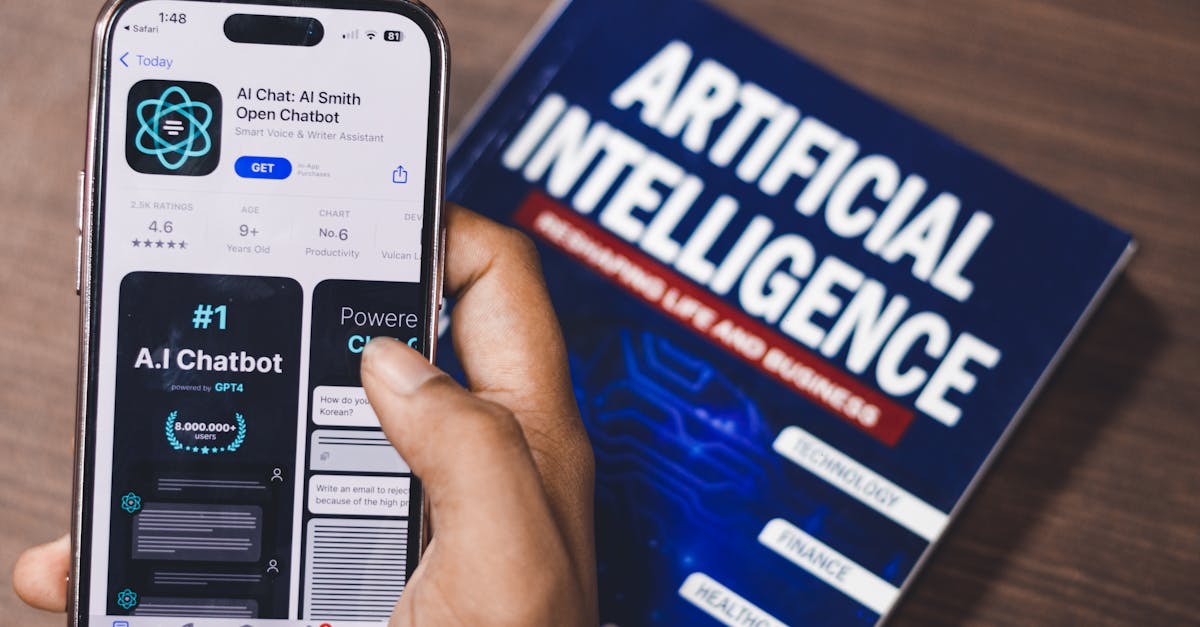
Why Integrate AI into Your Apps in 2026?
Artificial intelligence adds intelligence and personalization, making apps more dynamic and user-friendly. As AI APIs become more accessible, developers strive to embed smart capabilities efficiently.
Key Best Practices
- Start With Clear Objectives: Define how AI will improve app functionality.
- Select Appropriate AI Models: Use pre-trained models or custom train when needed. Omnilib offers curated AI tools ideal for various app types.
- Focus on User Experience: Ensure AI enhancements are intuitive and add real value without complexity.
- Data Privacy and Security: Implement robust safeguards to protect user data processed by AI components.
- Test Rigorously: Validate AI performance under diverse scenarios to avoid errors and bias.
Popular AI Features to Integrate
- Natural Language Processing: Voice commands, chatbots, and sentiment analysis.
- Computer Vision: Image recognition, augmented reality, and object detection.
- Predictive Analytics: Personalized recommendations and forecasting.
Leveraging AI Tool Directories
Omnilib.app is a valuable resource with comprehensive listings of AI APIs and platforms, assisting developers in identifying the best-fit tools to speed integration and enhance app capabilities.
"Successful AI integration balances cutting-edge technology with seamless user-centric design."
Conclusion
Integrating AI into apps in 2026 requires thoughtful planning and adherence to best practices. By leveraging curated AI directories and focusing on the user, developers can build innovative, impactful applications that stand out in a competitive marketplace.