 Omnilib
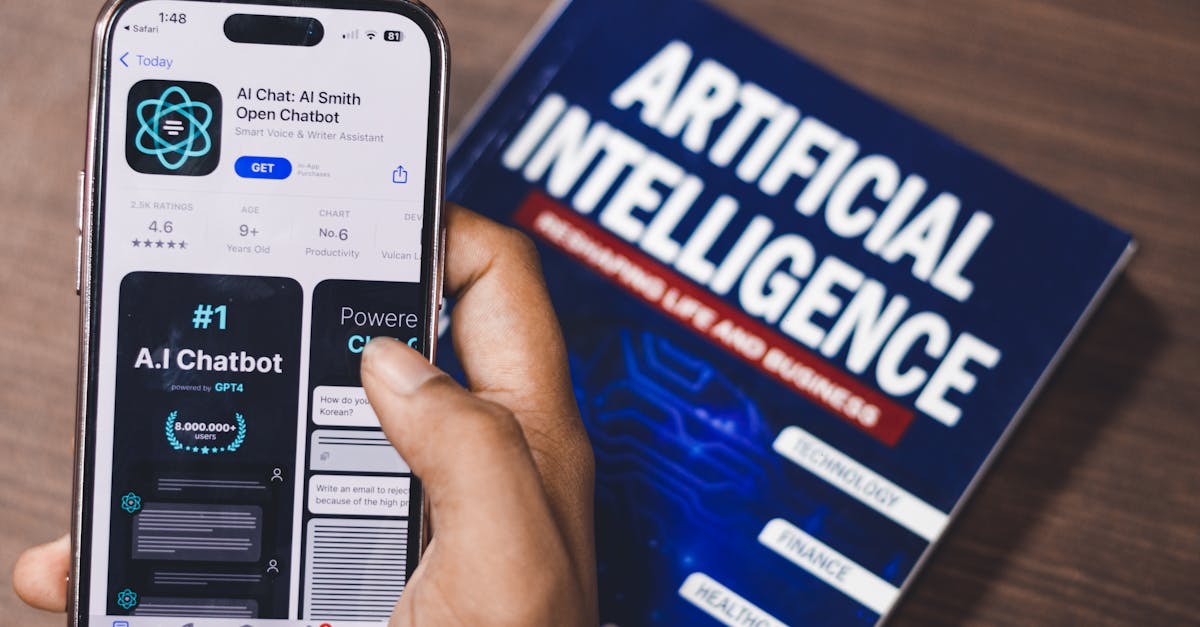
The Rise of AI in Language Learning
Language learning has dramatically evolved with AI-powered apps offering personalized, adaptive experiences. In 2026, new tools leverage natural language processing and speech recognition to accelerate fluency.
Top AI Language Learning Apps Reviewed
Here are some standout platforms changing the game:
- LinguaMate: Uses AI tutors that adapt to your mistakes, focusing on weak areas. Its chatbot conversations mimic real-life dialogues.
- PolyGlot AI: Excels in multi-language support with instant translation and contextual grammar tips. Ideal for polyglots.
- SpeakEasy: Offers advanced speech recognition with real-time pronunciation feedback, helping users perfect accents.
- VocabBoost: Utilizes spaced repetition algorithms and AI-curated vocabulary lists tailored to user goals.
Key Features to Consider
When selecting an AI language learning app, consider:
- Personalization: Does the app adapt content based on your progress?
- Speech Recognition: Quality of pronunciation feedback.
- Interactive Content: Chatbots, games, and conversation simulations.
- Language Variety: Availability of less-common languages.
Why AI Makes a Difference
Traditional methods can be rigid and slow. AI tailors lessons in real-time, ensuring efficient learning paths and higher retention rates. Plus, 24/7 availability means practice anytime, anywhere.
“AI language tools democratize learning,” notes Omnilib’s tech analyst. They break down barriers by offering affordable, scalable language education.
Final Thoughts
Whether you’re a beginner or advanced learner, 2026’s AI language apps offer something for everyone. Omnilib’s directory provides detailed tool comparisons to help you find the perfect match for your language journey.