 Omnilib
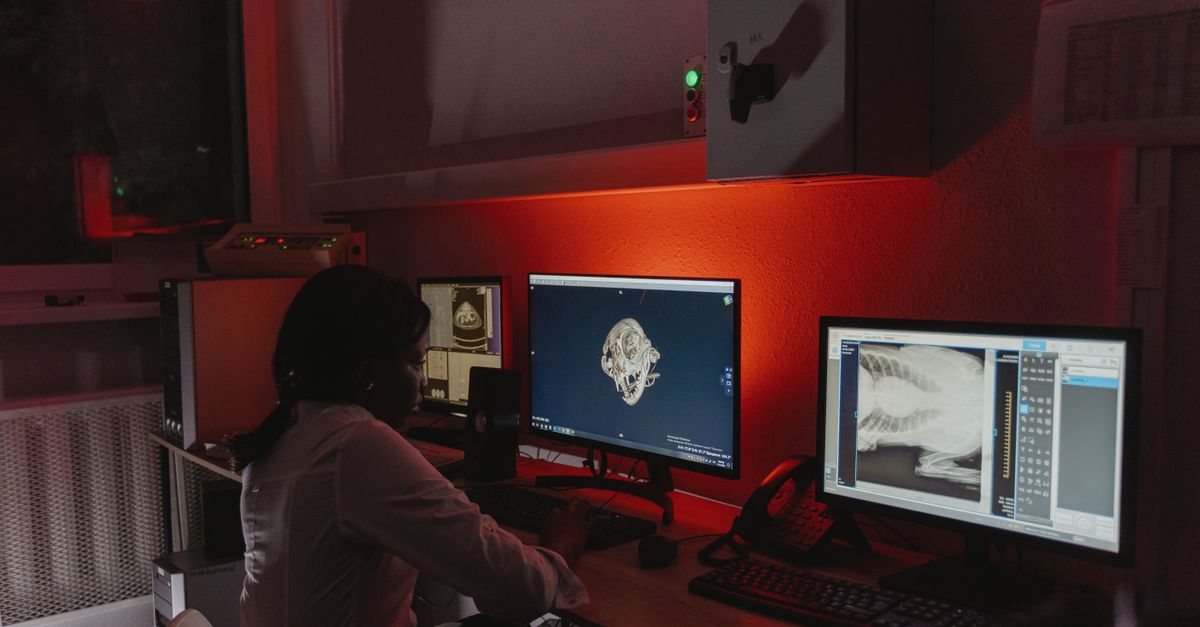
Introduction to AI in Healthcare Diagnostics
Artificial Intelligence (AI) is rapidly transforming many sectors, with healthcare diagnostics being one of the most impactful. For beginners, understanding how AI integrates into medical diagnostics opens doors to smarter, faster, and more accurate patient care.
What is AI in Healthcare Diagnostics?
AI involves computer systems designed to perform tasks that typically require human intelligence. In healthcare diagnostics, AI algorithms analyze medical data such as images, lab results, and patient histories to assist clinicians in identifying diseases and conditions early.
Key Technologies Behind AI Diagnostics
- Machine Learning: Algorithms learn from large datasets to detect patterns in medical images or symptoms.
- Natural Language Processing (NLP): Helps interpret doctors’ notes and patient records.
- Computer Vision: Analyzes imaging scans such as X-rays or MRIs to detect anomalies.
Benefits of AI in Diagnostics
The integration of AI into diagnostic workflows offers several advantages:
- Increased Accuracy: AI reduces human error by cross-referencing large datasets.
- Faster Diagnosis: Automated analysis speeds up decision-making, crucial in emergency cases.
- Cost Efficiency: Early and accurate detection can reduce unnecessary tests and treatments.
- Improved Patient Outcomes: Timely interventions reduce complications and improve survival rates.
Popular AI Tools in Healthcare Diagnostics
Platforms such as PathAI, IBM Watson Health, and Aidoc leverage AI to assist radiologists and pathologists. These tools use deep learning to identify cancerous cells, lung diseases, and other conditions with high precision.
Challenges and Ethical Considerations
Despite its promise, AI in diagnostics faces challenges like data privacy, algorithm biases, and the need for regulatory approvals. Stakeholders must address these to ensure ethical, patient-centric applications.
“AI is not here to replace doctors but to empower them with better diagnostic insights.”
How to Get Started with AI Healthcare Tools
Healthcare professionals interested in adopting AI should start by exploring trusted directories like Omnilib.app to find vetted AI diagnostic solutions. Continuous training and collaboration with AI developers are essential to integrate these tools effectively.
Conclusion
AI's role in healthcare diagnostics is revolutionizing patient care by enhancing accuracy, efficiency, and accessibility. Beginners can leverage AI tools to improve diagnostic workflows and ultimately transform healthcare outcomes.