 Omnilib
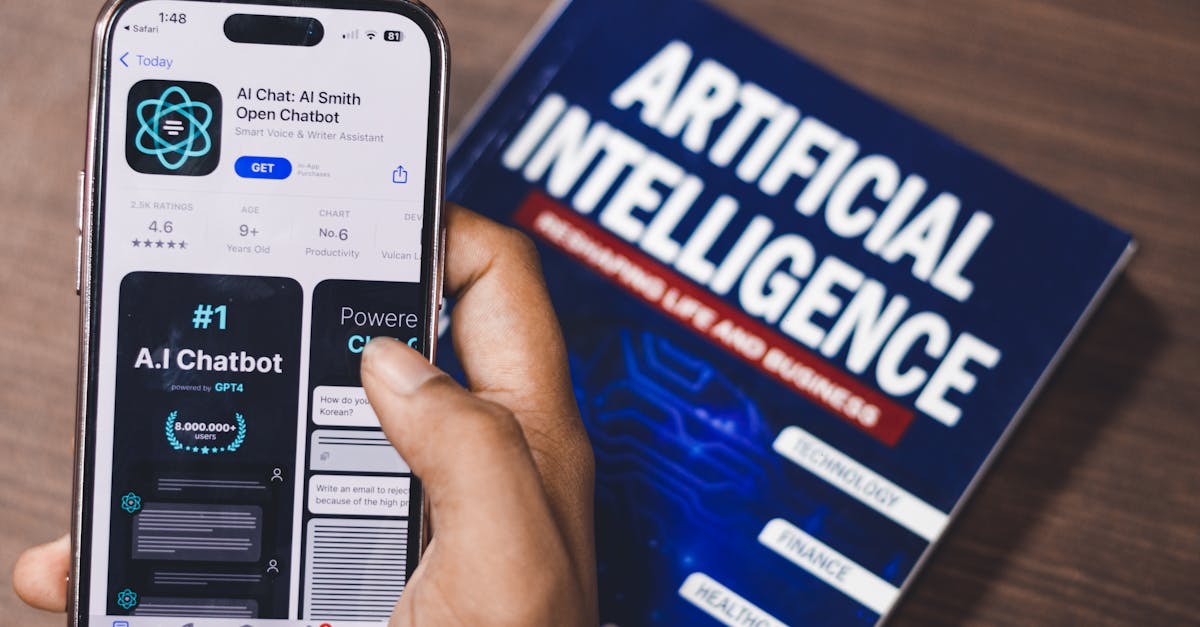
Introduction to AI Chatbots
AI chatbots have revolutionized customer interaction and automation, providing instant support and personalized experience. Building a chatbot in 2026 is easier than ever thanks to advanced AI tools and platforms.
Step 1: Define Your Chatbot’s Purpose
Before diving in, clarify what your chatbot should achieve—customer support, lead generation, or simple engagement. This focus guides design decisions and tool selection.
Step 2: Choose the Right Tools
Platforms like Omnilib list user-friendly chatbot builders and AI frameworks. Popular options include:
- Dialogflow: Google’s conversational platform with easy integrations.
- Rasa: Open-source framework offering customization and control.
- Microsoft Bot Framework: Versatile and scalable for various channels.
Step 3: Design Conversation Flow
Create intents and entities representing user purposes and data. Map out dialogues logically to handle greetings, FAQs, and fallback scenarios.
Step 4: Integrate Natural Language Processing (NLP)
Incorporate NLP to interpret user inputs accurately. Many tools offer pretrained models, or you can fine-tune your own for domain-specific language.
Step 5: Test and Iterate
Simulate conversations and gather user feedback to identify misunderstandings or dead ends. Continual iteration improves chatbot responsiveness and user satisfaction.
Step 6: Deploy Across Channels
Launch your chatbot on websites, messaging apps, or social media. Most frameworks provide seamless deployment options.
"Building chatbots is a learning process—start small, iterate fast, and leverage community resources for success."
With a growing ecosystem of tools and tutorials on Omnilib, beginners can develop effective AI chatbots that deliver meaningful interactions and business value.