 Omnilib
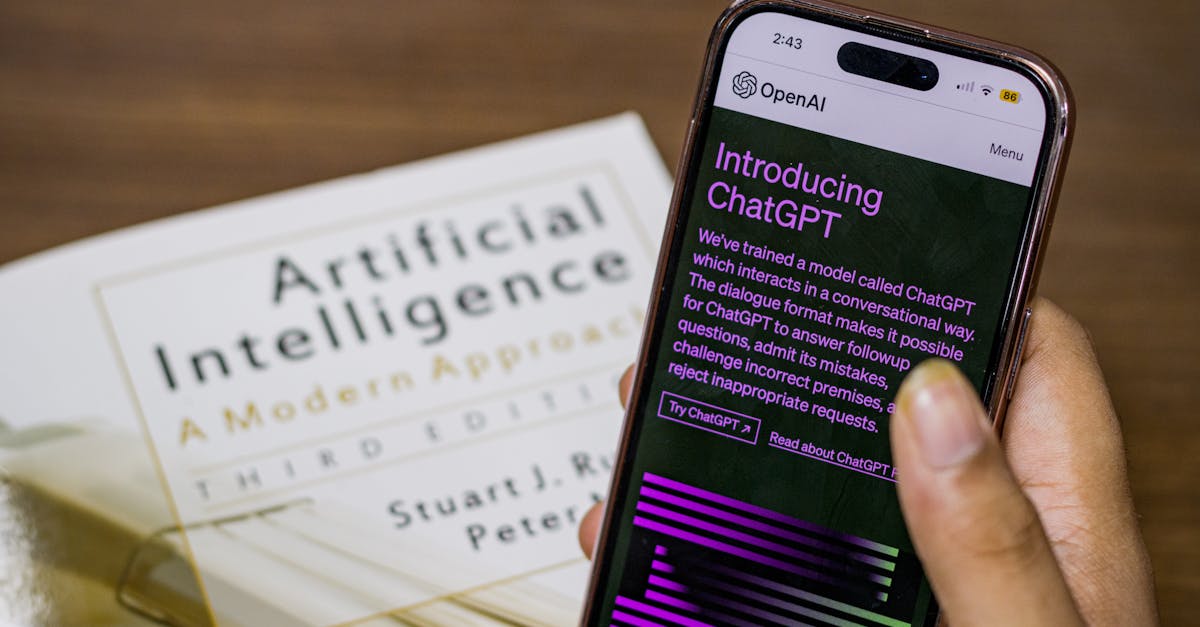
Why Build an AI Chatbot in 2026?
With conversational AI becoming integral to customer service, marketing, and personal assistants, building an AI chatbot offers both personal and professional advantages. Thanks to advances in AI tools and platforms, creating a chatbot is more accessible than ever—even for beginners.
Step 1: Define Your Chatbot’s Purpose
Before diving into development, clarify what your chatbot should accomplish. Common goals include:
- Answering FAQs
- Booking appointments
- Providing personalized recommendations
Step 2: Choose the Right Tools
Omnilib.app provides a curated list of beginner-friendly chatbot frameworks and AI tools. Popular choices include:
- Dialogflow: Google’s easy-to-use NLP platform
- Rasa Open Source: Robust framework for customizable chatbots
- Microsoft Bot Framework: Integrated tools for multi-channel bots
Step 3: Design Conversation Flow
Sketch a simple dialogue diagram mapping possible user inputs and chatbot responses. Emphasize clarity and natural language understanding.
Step 4: Develop and Train Your Chatbot
Use your chosen platform to build conversation intents and entities. Train your model on relevant datasets to improve accuracy and responsiveness.
Step 5: Test and Iterate
Test chatbot interactions thoroughly, focusing on user experience and error handling. Refine models and flows based on feedback.
Step 6: Deploy and Monitor
Deploy your chatbot on your target platform (website, messaging apps) and continuously monitor performance, updating as needed.
“Start small, learn fast, and improve your chatbot continuously for success.”
Bonus Tips for Beginners
- Leverage pre-built templates to jumpstart development
- Incorporate user feedback loops for improvements
- Ensure your chatbot handles fallback gracefully
By following these steps and utilizing resources at Omnilib, beginners can confidently build effective AI chatbots in 2026.